Originally posted on HouseLogic.com
There are different ways to address lead paint in older homes. Here are options to help keep your household safe and what they cost.
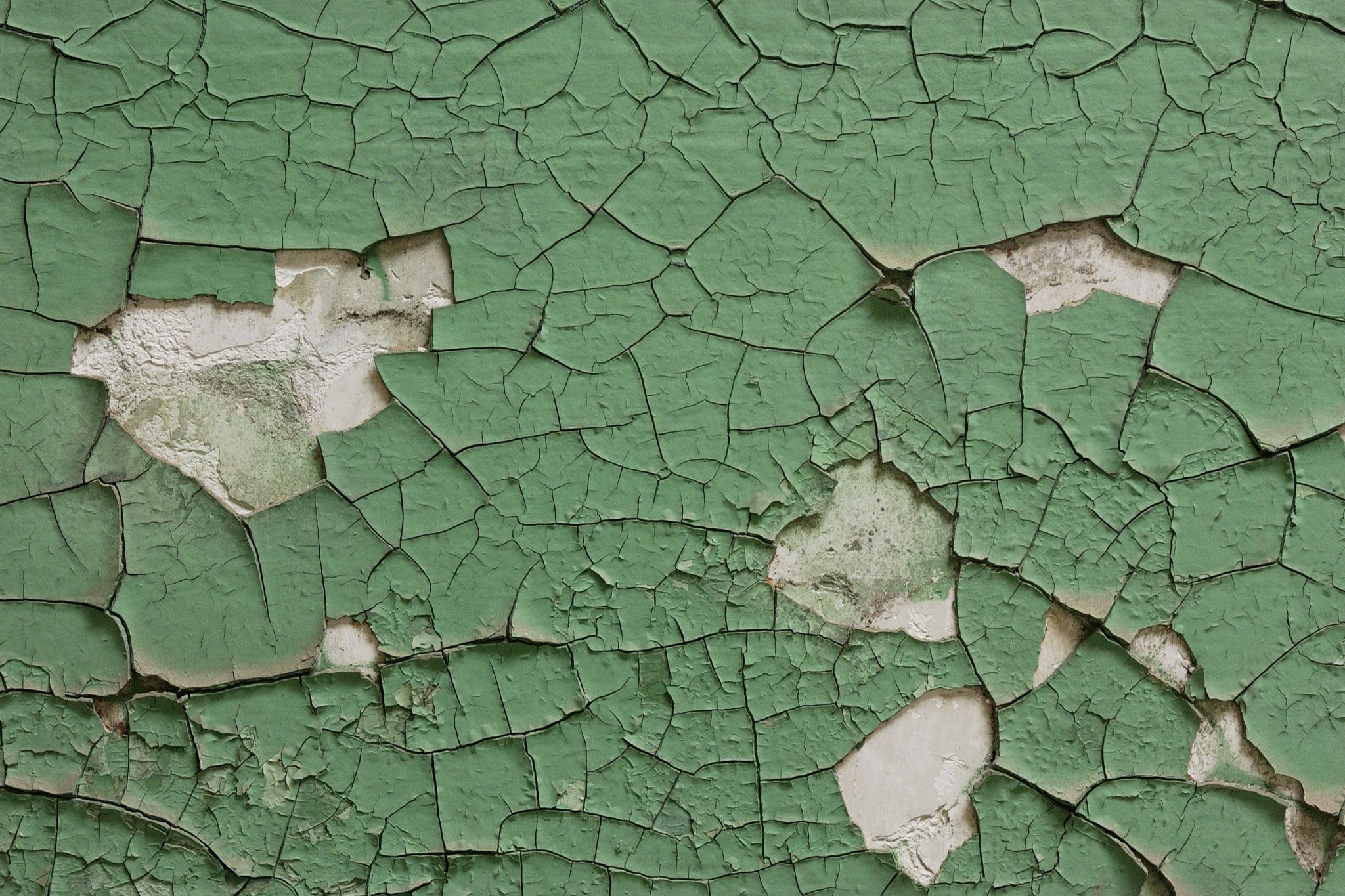
Home buyers are opting for older homes these days, according to the National Association of REALTORS ®. These homes have a lot to offer, but can also have some age-related issues, such as a high risk of lead paint. About three-fourths of US housing built before 1978 contains some lead paint, reports the Environmental Protection Agency. If the paint is properly managed and maintained, it doesn’t pose much risk, but if it’s allowed to deteriorate, it can cause health problems. That’s why homeowners are focusing on managing the hazards based on EPA guidelines and state mandates.
Whether your home was built before or after 1978, if it has lead-based paint, you can choose from several options to remove it. Although some states allow you to do the work yourself, a contractor certified in lead paint removal is trained to do the job safely and will determine the best abatement strategy.
The EPA enacted a rule for pre-1978 homes, because renovation, repair, or painting (RRP) projects in them can easily create dangerous lead dust. The agency requires that lead-safe certified contractors perform any RRP projects that disturb lead-based paint in homes, childcare facilities, and preschools built before 1978. Generally, the EPA’s lead RRP rule doesn’t apply to homeowners doing RRP projects in their own homes. But it does apply if you rent all or part of your home, operate a childcare center in your home, or buy, renovate, and sell homes for profit.
What Does Lead Paint Removal Cost?
Professional lead-based paint removal usually costs about $10,000 to $30,000, and the average American homeowner spends around $15,000 to remove lead paint in a 2,000-square-foot house, according to Fixr.
Prices may vary based on the lead abatement strategy you choose.
Lead Paint Removal Options
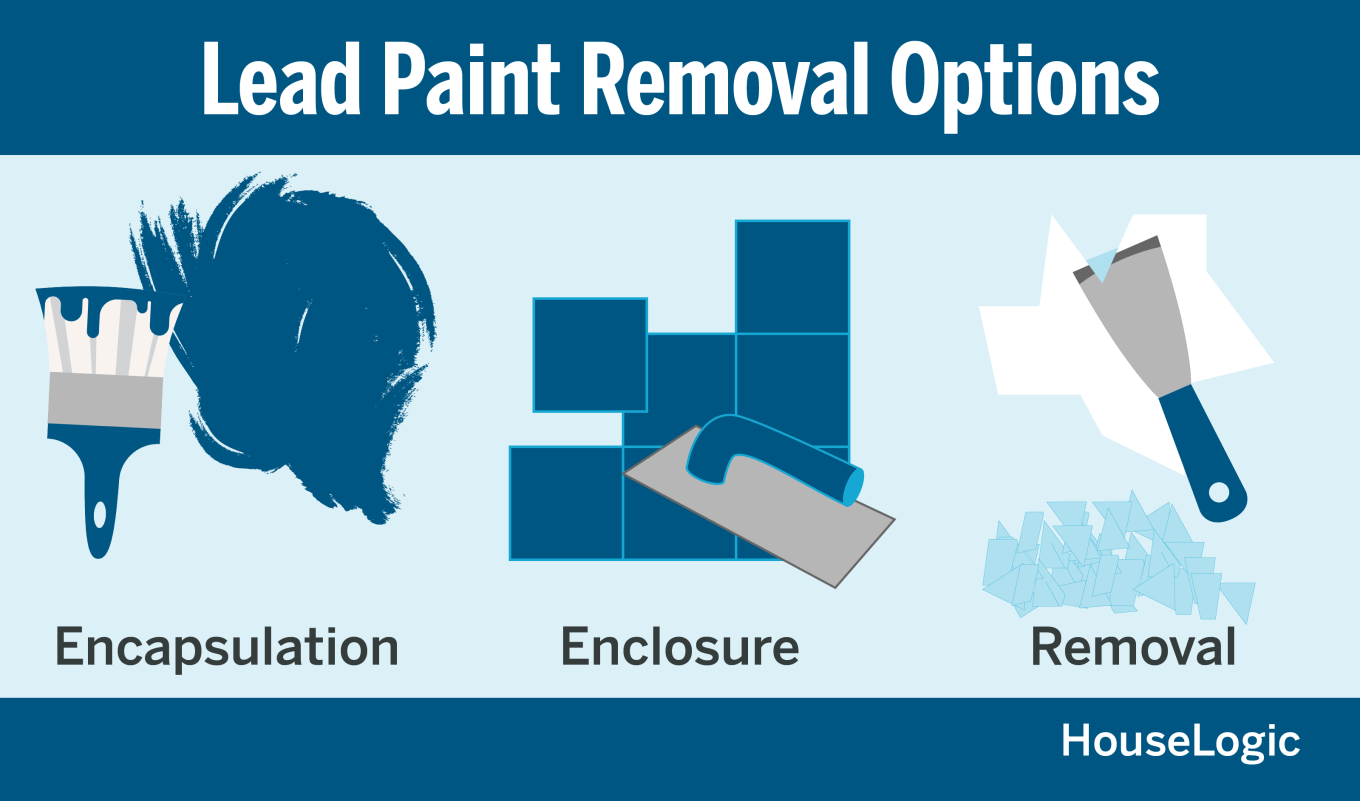
Encapsulation: Typically, encapsulation is the least complicated and most affordable method. It involves brushing or rolling on a specially made paint-like coating (search lead paint encapsulation online) that creates a watertight bond and seals in the lead-based paint. However, opening and closing your doors and windows may wear off the coating over time.
Encapsulation costs start at $1 to $4 per square foot. Expect to pay about $2,000 to $8,000 to cover surfaces in a 2,000-square-foot home.
Enclosure: With this method, a new surface covers the old surface. That could involve putting up new drywall or covering windowsills with aluminum or vinyl cladding. If the enclosed surface is ever removed, you’ll have to deal with the exposed lead-containing surfaces underneath. Expect to pay $6 to $12 per square foot.
Removal: Approaches used to remove lead-based paints, include wire brushing or wet hand scraping with liquid paint removers. Your contractor may opt to wet sand surfaces and, if so, they must use an electric sander equipped with a high-efficiency particulate air filtered vacuum. Another option is stripping off paint with a low-temperature heat gun and hand scraping. Lead paint removal costs around $8 to $17 per square foot.
The government bans removal using open flame burning or torching, machine sanding without a HEPA attachment, abrasive blasting, and power washing without a means to trap water and paint chips.
Replacement: This more radical strategy calls for taking out the offending surfaces or features and installing new windows, doors, woodwork, or other surfaces. Homeowners may pay $1,000 to $15,000 for a replacement project.
Is It Safe to Live in a House with Lead Paint?
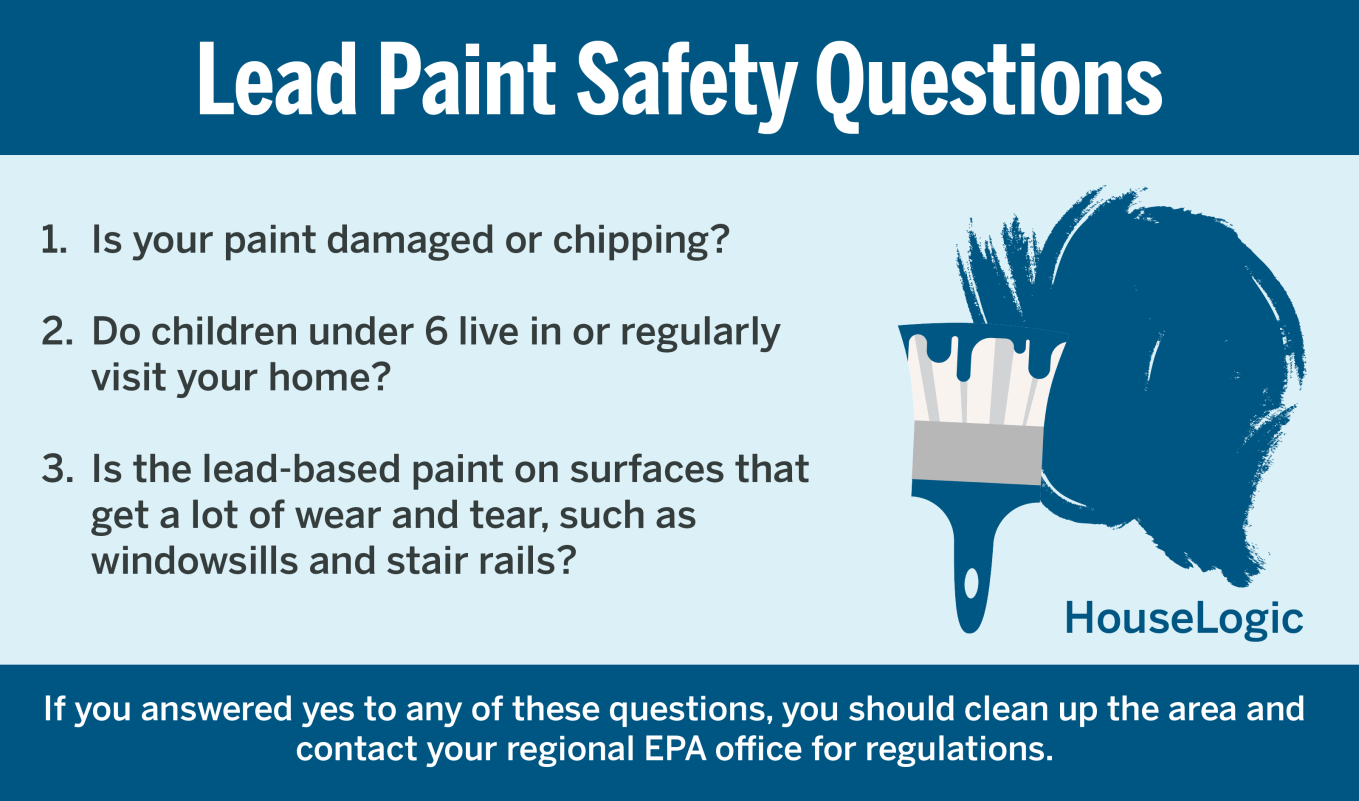
If lead-based paint in your home is in good condition — no chipping or other damage — and no children under age six live there or visit regularly, you may safely leave the paint untouched. You will need to disclose the presence of the paint if you decide to sell.
However, if the paint is peeling or chipping, or if intact lead-based paint is on window sills and stair rails and children under six or pets are present, begin with a cleanup and find out how your regional EPA office regulates lead-based paint.
Cleanup Tips to Minimize Lead Paint Exposure
Even before you’ve had lead paint removed, minimize your family’s exposure:
- Clean up paint chips immediately.
- Clean floors, window frames and sills, and other surfaces weekly with warm water and all-purpose cleaner. Thoroughly rinse sponges and mop heads.
- Wash children’s hands often, especially before meals, naps, and bedtime.
- Prevent children and pets from chewing painted surfaces, such as window sills.
- Remove shoes to avoid tracking lead-contaminated soil inside.
Frequently Asked Questions
When Is Lead Abatement Required?
Lead abatement is essential when the paint is peeling, chipping, or flaking. Abatement is also required when you find lead paint in high-friction areas like window sills and door frames. Consider getting a lead exposure risk assessment to better understand what your approach should be.
Can I Remove Lead Paint Myself?
Lead paint removal projects require an advanced knowledge of lead abatement techniques, and the EPA recommends having these projects done by a professional.
Can I Just Paint Over Lead Paint?
You can paint over lead paint; this is called encapsulation. However, this only works when you use the right type of paint. You’ll need paint that’s specially formulated to encapsulate lead. Encapsulants can be polymer-based, epoxy, or polyurethane, or made with cement-like materials. Check the label to see if your paint is suitable for use over lead paint.

HouseLogic.com is a site for homeowners who want smart solutions to enjoy, improve, and maintain their home; for buyers ready to find their happy place; and for sellers ready for their next chapter.